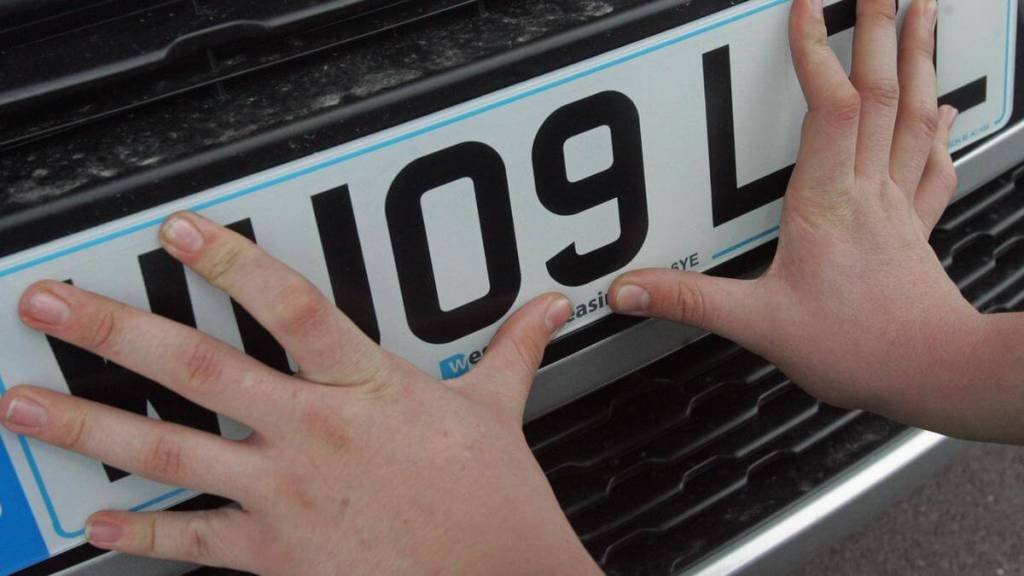
If you’re driving in the UK, your car’s number plate is more than just an ID—it’s a legal requirement. In 2025, new updates to number plate rules have come into effect, and understanding them is key to staying road-legal.
In this guide, we’ll break down how UK number plates work, what changes are in place for 2025, and how to make sure your plates meet DVLA regulations.
🔢 How Do UK Number Plates Work?
UK number plates follow a format introduced in 2001, and it’s still in use today:
Format: AA11 AAA
Here’s what each section means:
- First two letters (AA): Local memory tag – indicates the DVLA office where the vehicle was first registered (e.g., “LA” for London).
- Two numbers (11): Age identifier – shows when the car was registered. “25” indicates the vehicle was registered between March–August 2025. “75” will be used for September 2025–February 2026.
- Last three letters (AAA): Random letters to make the registration unique.
🆕 What’s New for 2025?
1. Updated Number Series
- From 1 March 2025, the new “25” plate series began.
- From 1 September 2025, “75” plates will roll out. This continues the twice-yearly update cycle introduced by DVLA in 2001.
2. Tighter Legibility Standards
- All new number plates must now meet British Standard BS AU 145e, which became mandatory in September 2021, but is strictly enforced in 2025.
- This includes:
- Tougher durability tests (weather, abrasion, impact)
- One solid colour for characters (black only)
- No 3D or tinted effects allowed
- Mandatory supplier name and BS code printed at the bottom
3. Green Plates for EVs
- If you own a pure electric vehicle, you’re eligible for green number plates with a green flash on the left-hand side.
- These plates are aimed at identifying zero-emission vehicles and may offer benefits like free parking or ULEZ exemptions in some areas.
🧾 Legal Requirements for Number Plates
Your number plates must:
- Be made from reflective material
- Display black characters on a white background (front) and yellow (rear)
- Use Charles Wright 2001 font, which is the only legal typeface
- Have characters that are:
- 79mm tall
- 50mm wide (except ‘I’ and ‘1’)
- With a 14mm stroke
- Spaced correctly (11mm between characters, 33mm between groups)
❌ What’s Illegal?
You could face fines or MOT failure if your number plate:
- Has incorrect spacing or custom fonts
- Uses 3D, gel, or tinted styles (no longer compliant)
- Is damaged, dirty, or obscured
- Displays misleading letters/numbers to resemble words or names (known as “show plates”)
Fines can be up to £1,000, and illegal plates can cause your car to fail its MOT test.
🛠 Can You Personalise a Plate?
Yes, but only within DVLA rules.
- You can purchase a private registration through the DVLA or approved resellers.
- You can’t make a car look newer than it is. For example, you can’t put a “25” plate on a 2023 car.
- Personalised plates must still meet all visibility and legibility standards.
🏁 Final Thoughts
With the 2025 changes now in effect, it’s more important than ever to make sure your number plate is fully compliant. Whether you’re buying a new car, ordering a private plate, or updating your old one, following DVLA rules can save you from fines and keep your vehicle road-legal.
Check your plate today: if it’s faded, cracked, or stylised, now’s the time to replace it.
 Auto Uk Car
Leave a comment